
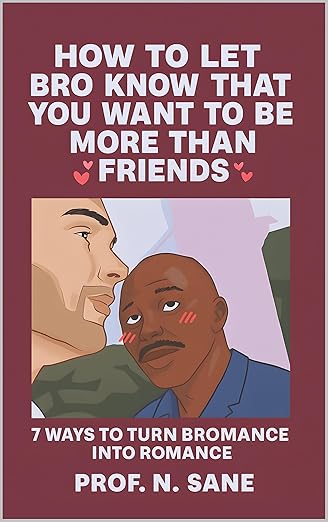
How to Let Bro Know That You Want to Be More Than Friends: 7 Ways to Turn Bromance into Romance
Because 'no homo' can only carry you so far.
Where academia meets absurdity. Sharp satire for anyone who's survived faculty meetings, student excuses, and the eternal quest for parking.
"I didn't choose the satire life—it chose me."
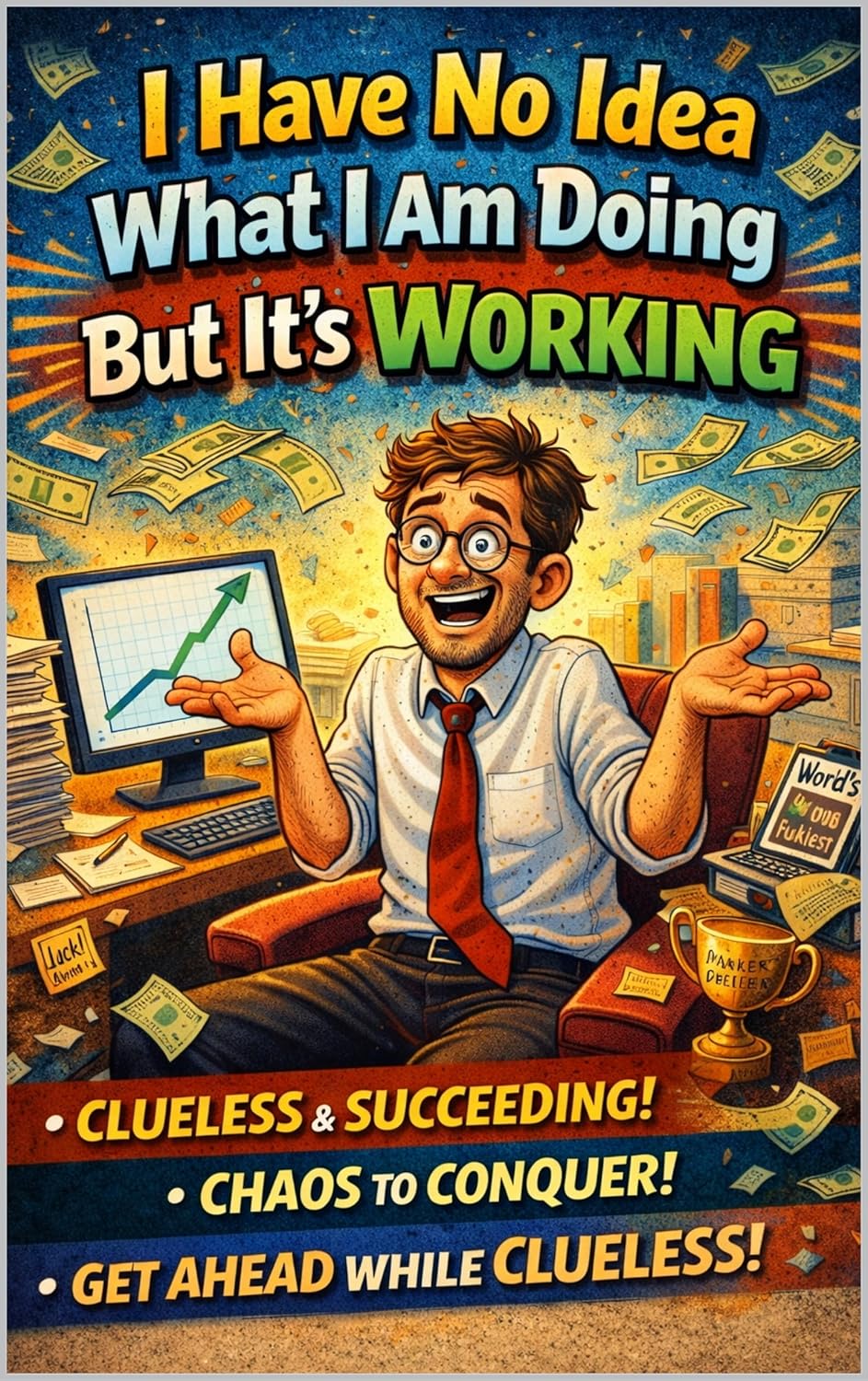

"The definitive parody self-help guide for the chronically late."
Ever started getting ready two hours early only to end up ten minutes late? Welcome to the definitive parody self-help guide for the chronically late. Stop accidentally arriving on time and embrace the chaos of the last-minute rush.
"The funniest book about academia I've ever read."
— Verified Reader ReviewSharp wit, sharper satire. Pick your poison.
Because 'no homo' can only carry you so far.
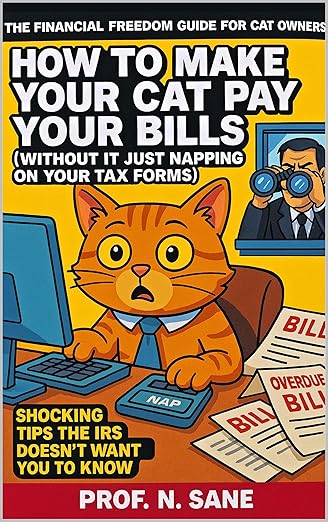
Your cat has been freeloading long enough. Time to monetize the meow.
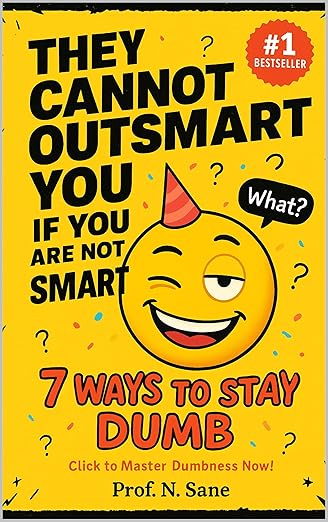
Ignorance isn't just bliss—it's a competitive advantage.

If he won't love you as a worm, he doesn't deserve you as a human.

Enjoy the chaos of fitness clickbait madness.

If you’ve ever looked in the mirror and thought, 'Wow… yikes,' this book is for you.
Former academic. Current satirist. Forever questioning why faculty meetings exist.
After surviving years in the academic trenches—where "publish or perish" wasn't just advice but a genuine existential threat—I discovered that the best way to process the absurdity was to write about it. With satire.
My books are for everyone who's ever wondered why professional development seminars exist, why parking is always a battlefield, and why "synergy" became a word we all pretend to understand.
— Prof Y Not
Read Full BioSatire tips, book recommendations, and academic absurdities.
We explore the hilarious reality of bromance dynamics and why How to Let Bro Know That You Want to Be More Than Friends …
We explore the hilarious reality of relationship loyalty tests and why Will My Boyfriend Still Love Me Even If I’m …
We explore the hilarious reality of intelligence culture and why They Cannot Outsmart You If You Are Not Smart is the …